Streaming Starting Panel Design: A Practical Guide to Enhance Your Live Stream Experience
Streaming Starting Panel Design is a crucial element for anyone looking to create a professional and engaging live stream. Whether you're a content creator, educator, or business owner, the right starting panel can make a significant difference in how your audience perceives your brand and interacts with your content. This design serves as the first visual impression of your stream, setting the tone for what's to come.
What Is Streaming Starting Panel Design?
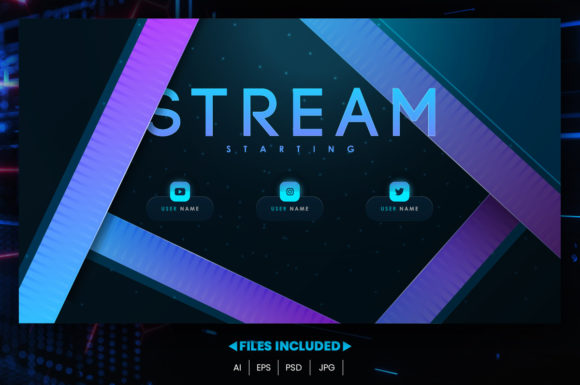
A Streaming Starting Panel Design is the visual interface that appears when a viewer first joins your live stream. It typically includes your logo, branding elements, a welcome message, and sometimes a call-to-action. This panel is designed to capture attention, convey professionalism, and encourage engagement from your audience.
For many, the starting panel is an afterthought, but it plays a vital role in shaping the viewer’s experience. A well-designed starting panel can increase viewer retention, build brand recognition, and enhance the overall quality of your stream.
Common Mistakes in Choosing Streaming Starting Panel Design
One of the most common mistakes people make is choosing a design that doesn’t align with their brand identity. A mismatched color scheme, inconsistent typography, or unclear messaging can confuse viewers and diminish the impact of your stream. It's essential to ensure that your starting panel reflects your brand’s personality and values.
Another mistake is overlooking the importance of simplicity. Some designers try to pack too much information into the starting panel, making it cluttered and hard to read. A clean, minimalistic design often works best, allowing viewers to focus on the key message without distraction.
Why the Right Design Matters
The right Streaming Starting Panel Design can significantly affect the success of your stream. A poorly designed panel may lead to lower engagement, higher bounce rates, and a negative perception of your brand. On the other hand, a well-crafted design can enhance viewer trust, encourage interaction, and improve the overall viewing experience.
Consider this example: if you're hosting a webinar for a tech startup, a modern, sleek starting panel with your company logo and a clear welcome message will set the right tone. In contrast, a generic or outdated design might make your audience question the credibility of your content.
Key Factors to Consider Before Making a Decision
Before finalizing your Streaming Starting Panel Design, take the time to evaluate several factors. First, consider your target audience. What do they expect from your stream? Understanding your audience’s preferences will help you create a design that resonates with them.
Next, think about the platform you’re using. Different streaming platforms may have specific requirements or limitations regarding design elements. Ensure that your design is compatible with the platform you choose to use.
Also, check the technical specifications. High-resolution images, proper file formats, and optimized file sizes are essential for a smooth streaming experience. Using the wrong file type or resolution can lead to poor image quality and a subpar viewer experience.
Practical Tips for Creating an Effective Starting Panel
Start by defining your brand’s visual identity. Choose colors, fonts, and imagery that reflect your brand’s personality. Consistency across all design elements helps reinforce brand recognition and trust.
Keep your message clear and concise. Your starting panel should communicate your brand’s purpose and what viewers can expect from your stream. Avoid jargon or overly complex language that may confuse your audience.
Test your design on different devices and screen sizes. A design that looks great on a desktop may not be as effective on a mobile device. Ensuring your panel is responsive and adaptable will help maintain a consistent viewer experience across all platforms.
Understanding the Files You’ll Receive
If you’re purchasing a Streaming Starting Panel Design, you’ll typically receive a variety of file formats, including AI, EPS, JPG, and PSD. These files offer flexibility in editing and customization. For instance, AI and EPS files are ideal for vector graphics, while PSD files allow for detailed layer-based editing in Adobe Photoshop.
It’s important to understand the differences between these file types and how they can be used. If you’re not familiar with graphic design software, consider seeking assistance from a professional or using online tools that simplify the editing process.
How to Avoid Common Pitfalls
To avoid common pitfalls, start by researching and understanding the basics of graphic design. Familiarize yourself with design principles such as balance, contrast, and hierarchy. These concepts will help you create a visually appealing and functional starting panel.
Additionally, don’t rush the design process. Take the time to brainstorm ideas, gather feedback, and refine your design. A thoughtful approach will result in a more effective and professional-looking starting panel.
Finally, always review your design before publishing. Check for any errors, inconsistencies, or technical issues that could affect the viewer experience. A small oversight can have a big impact on how your audience perceives your brand.